Translate

Showing posts with label History of Indian Cinema. Show all posts

Sunday, August 18, 2013

Hrishikesh Mukherjee - The Director's Limelight Series


Hrishikesh Mukherjee was a cinematic craftsman known for pioneering a middle-path between the melodrama and extravagance of mainstream cinema, on the one hand, and, on the other, the shrieking realism of art cinema. He was the most successful practitioner of the product of this variously called middle cinema or parallel cinema in the Bollywood. 

His string of hits with Rajesh Khanna, Dharmendra and Amitabh Bachchan made him one of the golden directors. In his active years he made numerous films. Some of his most notable films include: Anuradha (1960), Asli-Naqli (1962), Anand (1971), Chemmeen, Anupama (1966), Aashirwad (1968), Satyakam (1969), Guddi (1971), Bawarchi (1972), "Namak Haraam" (1973), Mili (1975), Chupke Chupke (1975), Khubsoorat (1980) and Bemisal (1982). He was the first to introduce Dharmendra in comedy roles, through Chupke Chupke, and gave Amitabh Bachchan his big break with Anand in 1970, along with Rajesh Khanna, he also introduced Jaya Bhaduri to Hindi cinema in his film Guddi.


ANARI Bawarchi movie posterChupke Chupke movie poster

He was one of the few people who have won Filmfare in 4 individual categories (editing, screenplay, story, direction). His last directorial tribute to indian cinema was Jhooth Bole Kauwa Kaate (1998). He died on 27 August 2006. He also remained the chairman of the Central Board of Film Certification (CBFC) and of the National Film Development Corporation (NFDC),. The Government of India honoured him with theDada Saheb Phalke Award in 1999 and the Padma Vibhushan in 2001. He received the NTR National Award in 2001.

Salute for his contribution to Indian Cinema.


For more about Bollywood please visit and like   https://www.facebook.com/Bollywood.Direct

Tuesday, June 25, 2013

2nd Filmfare Awards - 1955


The inaugural edition of Filmfare awards provided a platform of  recognisation, for which  both the pioneers and prodigies of Hindi cinema were thriving. 1954 was a quite eventful year for Bollywood with the defining movies like Nagin, Nastik , Taxi Driver, Jagriti ,Shart                ,Boot Polish etc. K.A. Abbas's film "Munna" becomes the second film to be made without songs. Music director Hemant Kumar is thrust into the national limelight with the release of "Nagin". Keeping eye on all these movies and their response  2nd Filmfare Awards were held on 27th March 1955.


Then  Chief Minister  of  Bombay Morarji Desai ( Later Prime Minister of India) was chief guest  of the glittering celebration.  The famous Travancore sisters Padmini, Lalitha and Ragini performed at award function. 

Travancore Sisters at Filfare awards 1955

The Winners For 2nd Filmfare Popular Awards Were:

Category
Winner
Film
Best Actor
Bharat Bhushan
Shri Chaitanya Mahaprabhu
Best Actress
Meena Kumari
Parineeta
Best Film
Raj Kapoor
Boot Polish
Best Director
Bimal Roy
Parineeta
Best Supporting Actor (Male)
David
Boot Polish
Best Supporting Actor (Female)
Usha Kiran
Baadbaan
Best Music Direction
S.D. Burman
Taxi Driver - 'Jaye To Jaye Kahan 


 (Left to right) David, Meena Kumari, Bharat Bhushan and Usha Kiron

For more about Bollywood please visit and like   https://www.facebook.com/Bollywood.Direct


Monday, May 20, 2013

Filmfare Awards 1954 - The First Ones


Filmfare Awards, Indian Cinema
The Filmfare ceremony is one of the oldest and most prominent film events given for Hindi films in India.The awards were first introduced in 1954, the same year as the National Film Awards. They were initially referred to as the Clare Awards or The Clares after the editor of The Times of India, Clare Mendonca. Readers of Filmfare were polled to decide the winners, and over 20,000 readers spread throughout India participated in the polls;trophies were given to winners of the popular vote.

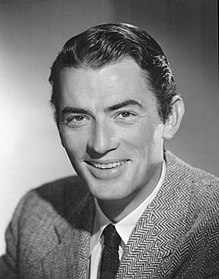
Hollywood star Gregory Peck was invited to be the guest of honour at the first ever awards on March 21, 1954 at the Metro theatre, Mumbai but couldn't make it to the function since his flight from Colombo got delayed. However, Peck did attend the banquet that followed the award nite atWellington ClubGymkhana), Mumbai .
Gregory Peck 
 In the first awards function, held on 21 March 1954 at the Metro Theatre of Mumbai, only five awards were presented: Best Film, Best Director, Best Actor, Best Actress, and Best Music Director. 
The Winners of the first Filmfare awards were 
Category
Winner
Film
Best Actor
Dilip Kumar
Daag
Best Actress
Meena Kumari
Baiju Bawra
Best Film
Bimal Roy
Do Bigha Zameen
Best Director
Bimal Roy
Do Bigha Zamin
Best Music Direction
Naushad
Baiju Bawra - 'Too Ganga Ki Mauj'

The First Winners of Filmfare - Bimal Roy, Meena Kumari, Naushad & Dilip Kumar
 For more about Bollywood please visit and like   https://www.facebook.com/Bollywood.Direct

Monday, May 13, 2013

Bollywood's most Popular onscreen Mothers

"For decades, Bollywood has doted on its mothers and now we pay a tribute to the most famous mothers in the history of Hindi cinema." 


Lalita Pawar


The most sought after, yet the most dreaded mother of all time in the industry was Lalita Pawar, who has the longest innings spanning from the silent era of 1920s to 1990s with more than 300 films to her credit. She played mother in films like Dahej, Thokar, Mr. And Mrs.1955, Khandaan, Shri 420, Pocket Maar, Nau Do Gyarah, Asha, Parwarish, Sujata, Guest House, Anari, Jis Desh Mein Ganga Behti Hai, Sasural, Junglee, Hum Dono, Grihasti, Bluff Master, Sangam, Kohra, Khandaan and Love in Tokyo.


 Durga Khote


She essayed a wide variety of roles in a career span of over 50 years. Her portrayal of Jodhabai, the queen of Mughal Emperor Akbar, torn between duty towards her husband and love for her son Salim in film is most memorable.


 Dina Pathak


One of the most powerful mothers onscreen, Dina Pathak has proved her talent in over 100 movies, more notable amongst them being, Satyakam, Sat Hindustani, Sacha Jhoota, Jal Bin Machli Nritya Bin Bijlee, Koshish, Avishkar, Charitraheen, Anari, Mausam, Chitchor, Dream Girl, Kitab, Gol Maal, Thodisi Bewafai, Umrao Jaan, Prem Rog, Arth, Arpan, Jhoothi, Aankhen, Sabse Bada Khilari, Yarana, Pardes, Mere Sapno Ki Rani, Tum Bin, Devdas (Bhuwans mother) and Pinjar.


 Farida Jalal


Be it Dilwale Dulhaniya Le Jayenge, Dil To Pagal Hai or Kuch Kuch Hota Hai, Farida has belted out one typical mother performances after another with a consistency that very few have displayed in the industry. She win the Filmfare Award for Best Supporting Actress for her role Dilwale Dulhania Le Jayenge.

 Kamini Kaushal


She played a strong role as Bhagat Singh's mother in Manoj Kumars Shaheed (1965). The appreciation she received ensured that Kamini became a fixture as the mother figure in a string of 1970s Manoj Kumar starrers films like Poorab Pascham, Shor, Roti Kapda Aur Makan, Sanyasi and Dus Numbri.

 Kirron Kher


The most graceful looking mother that our film industry ever got is Kirron Kher. She was seen in films like Devdas, Veer Zara, Om Shanti Om, Kabhi Alvida Na Kehna, Apne and Dostana.


Jaya Bachchan

She is one lady who has potrayed different kind of roles in her career but her motherly figure in her character makes her stand above the rest. She played mother in films like Kabhi Khushi Kabhi Gum, Hazaar Chorasia Ki Maa, Kal Ho Na Ho, Fiza and Laga Chunari Mein Daag.


 Nargis


The mother of all Bollywood mothers, of course, was Nargis in Mother India. In the film, she raised her two sons single-handedly while also working in the fields and fending off the evil intentions of the landowner.

 Rakhi Gulzar 


She played the most challeging role of her career by essaying Amitabh Bachchan's mother role in Shakti opposite Dilip Kumar, who played the father. Her important films in which she played mother include Baazigar, Karan Arjun, Soldier, Badshah, Ek Rishta, Khalnayak and Ram Lakhan for which she win the Filmfare award.

 Reema Lagoo


With her typical motherly looks and Indian features, Reema easily slipped into the mother roles in the film industry. After Maine Pyar Kiya, she played the mother in practically all of Rajshri Production films.

 Smita Jayakar


Her role as Aishwarya Rai's mother in Hum Dil De Chuke Sanam gave her a good possition in the industry. She was seen in films such as Pardes, Prem Aggan, Hum Aapke Dil Mein Rehte Hain and Ajab Prem Ki Gazab Kahani.


 Wahida Rehman


She has played mother and grandmother roles in film like Om Jai Jagadish, Water, Rang De Basanti and Delhi 6.


Nirupa Roy


Amitabh Bachchan's most favourite mother onscreen has always been Nirupa Roy and after playing his mother in Deewar, a story about a sacrificing single mother and her two sons, Shashi Kapoor and Amitabh Bachchan, this mother sure became the most popular mother of Bollywood. Her other films as Amitabh's mother were Amar Akbar Anthony, Muqaddar Ka Sikandar, Suhaag, Mard and Lal Badshah.

For more about Bollywood please visit and like   https://www.facebook.com/Bollywood.Direct

Sunday, May 12, 2013

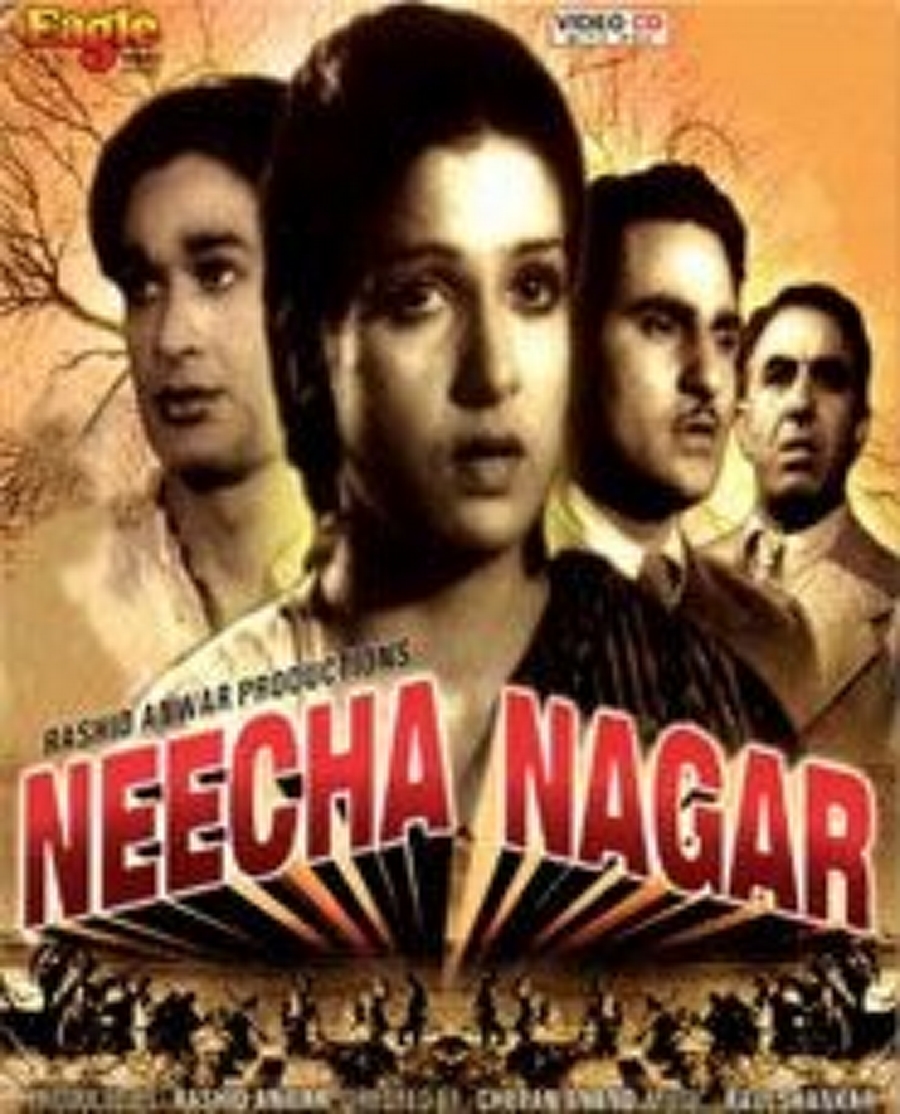
Neecha Nagar - The only Bollywood movie to win Palme d`Or Cannes Film Festival

First Bollywood film to won the best film award at Cannes film festival 

Directed by Chetan Anand and produced by India Pictures, ‘Neecha Nagar’ is the first and only Indian film to win the Palme d`Or Cannes Film Festival. Written by Khwaja Ahmad Abbas, it was a pioneering effort in social realism in Indian cinema and paved the way for many such 'parallel cinema' films by other directors, many of them written by Abbas. It starred Chetan Anand's wife Uma Anand, Rafiq Ahmed, Kamini Kaushal, and Zohra Sehgal.
Neecha Nagar became the first Indian film to gain international recognition, after it shared the Grand Prix du Festival International du Film (Best Film) award at the first Cannes Film Festival in 1946.

For more about Bollywood please visit and like   https://www.facebook.com/Bollywood.Direct

Saturday, May 11, 2013

Bollywood & its influences on the Indian society


100 years of Bollywood 

        "Bollywood had reflected the true mood of Indian society for last 100 years"
There have been several school of thoughts on cinema till date. While to some critics it happens to be the greatest medium of entertainment, others do opine that it is a medium that disseminates moving pictures. It would have been better if all had ended here. There is another aspect of cinema – it is a medium that does reflect the true mood of the society and also the changing reality. In accordance with several pundits, the Bollywood assimilate the last definition and in the best manner. Do you agree with the same assertion? Without a doubt Bollywood has played a major role hitherto and through decades it has also been the most appreciated medium of entertainment. 

Now the question remains whether it has been the medium of entertainment only or of something else. Surely you’re interested to know the definition of this word – else. If truth be told, Bollywood has changed through times and has always tried to cope with the changing reality. If we take the mainstream cinema or simply Bollywood into consideration, it will be found that lots of changes have occurred. Gone are the days of 50s  when a good number of classics like Madhumati, Sujata, Do Aankhen Bara Haath and lots of others did dominate.

It was followed by the swinging 60s and radical 70s that were found to exert considerable impacts on the Indian society. Popular perception did change and the unrestrained Indian youth started to find its own replica in the celluloid through the angry heroes. The subsequent decades did not bring any change even if violence and vulgarity became a part and parcel of the Indian cinema and the same is in full vigor at the moment. Perhaps the Indian cinema has been gratifying the changing reality! 


Even if the regional cinema industry has struck back exceptionally well, they have remained out of the main scenario. And who doesn’t know that exceptions are always exceptions. What can be deduced here then? The influence has never been unidirectional – Indian society and cinema have been influencing each other altogether. 


For more about Bollywood please visit and like    https://www.facebook.com/Bollywood.Direct